

The low entry barriers of the foreign exchange market make it one of the easiest day trading markets in the world to participate in. You only need a computer, the internet and a few hundred dollars to start trading.
However, easy entry does not mean that it will soon be profitable. Before you enter the market, please consider these 8 common mistakes you should avoid, as they are often the main causes of failure for forex traders.
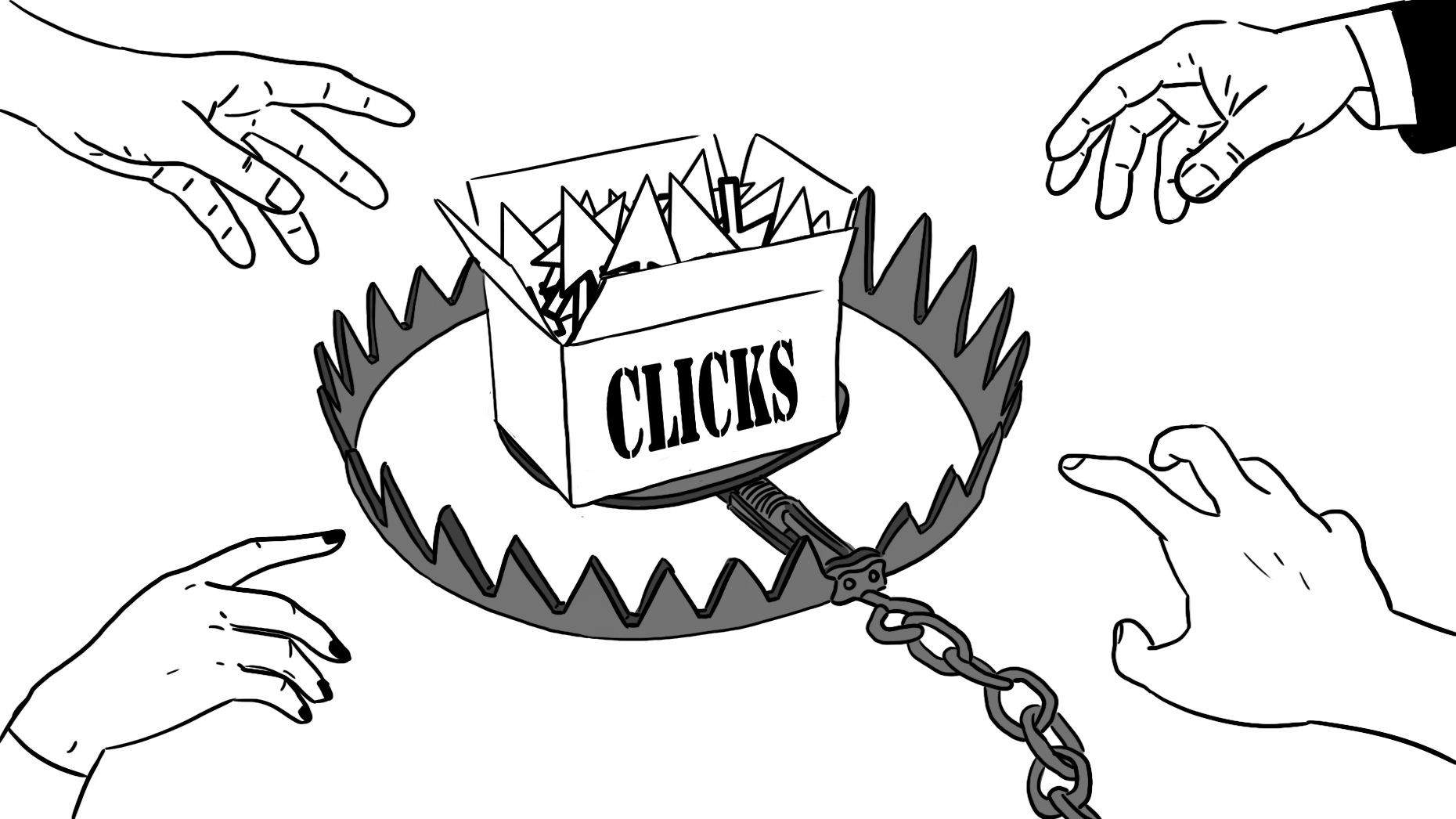
Trap 1: Stop trading easily
There are two trading statistics that need to be watched closely: your win rate and risk-reward ratio.
Your win rate is how many trades you have won, shown as a percentage. For example, if you win 60 of 100 transactions, the win rate is 60%. Day traders should try to keep the win rate above 50%.
Forex risk-return ratio is a calculation of how much risk you are willing to take in a transaction, and how much profit you plan to make from it. If your average losing trade is $ 50 and your winning trade is $ 75, your risk-reward ratio is $ 75 / $ 50 = 1.5. A ratio of 1 means that you lose as much as you win.
Day traders should keep their ratio above 1 and ideally above 1.25. If you have a lower win rate and a higher risk return, you can still make a profit, and vice versa.
Trap 2: No stop-loss
There should be a Stop Loss Order for every intraday trade you make. Stop loss is an offsetting order. If the price is not good for the currency pair you are trading, then you need to consider exiting the transaction.
When you have a stop-loss order for trading, it means that you avoid a large part of the risk. If you start a losing trade, a stop loss will reduce your risk of exceeding your affordability.
Trap 3: Increase trading on loss days
Wrongly believing that the trend will reverse, so you will also blindly increase your position when the price moves towards the side that is against you. Increasing losing trades is a dangerous practice. The price may fluctuate longer than you expect, so your losses will multiply.

Instead, you should trade with a suitable position size and place a stop loss for that trade. If the price hits a stop loss, the loss when the trade closes will be less than when there is no stop loss.
Trap 4: Bigger risk than you can bear
A key part of a risk management strategy is determining how much risk you are willing to take for each transaction. Ideally, the risk of intraday traders in any single transaction should be less than 1% of their capital. This means that if a stop loss order causes a loss of more than 1% of the trading funds, the trade will be closed.
It means that even if you lose multiple transactions in a row, you will only lose a small amount of money. At the same time, if you make more than 1% of profit in each winning trade, your losses will be made up.
Another aspect of risk management is controlling daily losses. Even if you only risk 1% per transaction, you could lose a lot of money in a bad day.
You should set a percentage for the amount you are willing to lose in a day and stick with your plan.
Trap 5: Go all out (try to win it all)
Even if you have a risk management strategy in place, sometimes you still tend to ignore it and trade much risky than you should.
There may be several losing trades in a row, which will make you want to earn back some of the losses. Streak in the past can make you feel you will not lose, and you are willing to take almost all the risks.
Many are also trapped to keep profits, telling themselves that this will turn things around yet they are likely to fall into big-money traps.
When you feel this way, please follow the 1% risk and 3% daily risk rules you set for each trading rule. Resist the temptation, stick to your risk management strategy and avoid going all out or increasing positions.
Trap 6: Trying to predict news
Many currency pairs have risen or fallen sharply following scheduled economic news releases. Predicting the movement of currency pairs and trading them before the news appears to be a simple way to make a profit. Actually, it's not.

Before choosing a direction to continue, prices usually move sharply and quickly in both directions. This means that you may suffer a significant loss within a few seconds after the news release, or you may win.
There is another problem. After initially launched, the spread between the bid and ask prices (highest and lowest ask prices) is usually much larger than usual. You may not be able to find the liquidity you want to withdraw from the position at the current price (use smaller trades to exit the position).
Don't expect news to drive the market, but develop a strategy to get you into the trading space after a news release. You can profit from volatility without all the unknown risks. The foreign exchange strategy for nonfarm payrolls data is an example of this approach.
Trap 7: Make multiple related transactions
You may have heard that diversity is a good thing. Diversification is a strategy that depends on your knowledge, experience and trading content. Warren Buffett once talked about diversity," Diversity is a protection against ignorance. It doesn't make sense if you know what you are doing."
If you believe in diversification, you may be inclined to trade multiple intraday trading at the same time, thinking that you are diversifying risk. Actually risk may be increasing.

When currency pairs are related in pairs, they move together, which means you may win or lose in all of these transactions. If there is a loss, multiply the loss by the number of transactions performed.
Trap 8: Unplanned transactions
A trading plan is a written document outlining your strategy. It defines how, what and when to trade intraday transaction. Your plan should include the markets you will trade, and at what time frame for analysis and trading. It should outline your risk management rules, and show exactly how you will conduct winning and losing trades.
If you don't have a trading plan, it's an unnecessary gambling. It’s suggested you create a trading plan and test its profitability in a demo account or simulator before trying to use real currency.
It takes patience, skill, and discipline to plan and execute anything. As you dive into day trading, as your financial and personal circumstances change, you will find it helpful to implement different strategies at different times. However, these eight precautions should guide you through the development of your skills and plans.
คำชี้แจง (Disclaimer) : เนื้อหาข้างต้นเป็นเพียงมุมมองของผู้เขียนแต่เพียงผู้เดียว และไม่ได้แสดงหรือสะท้อนถึงจุดยืนอย่างเป็นทางการของ Followme แต่อย่างใด Followme ไม่รับผิดชอบต่อความถูกต้อง ความครบถ้วน หรือความน่าเชื่อถือของข้อมูลที่ปรากฏ และจะไม่รับผิดชอบต่อการดำเนินการใด ๆ ที่เกิดขึ้นจากเนื้อหานั้น เว้นแต่จะมีการระบุไว้เป็นลายลักษณ์อักษรอย่างชัดเจน

เขียนข้อความของคุณตอนนี้