


MELBOURNE (Business Insider) - On Melbourne Cup Day, the Reserve Bank (RBA) has burst out of the gates in tremendous fashion.
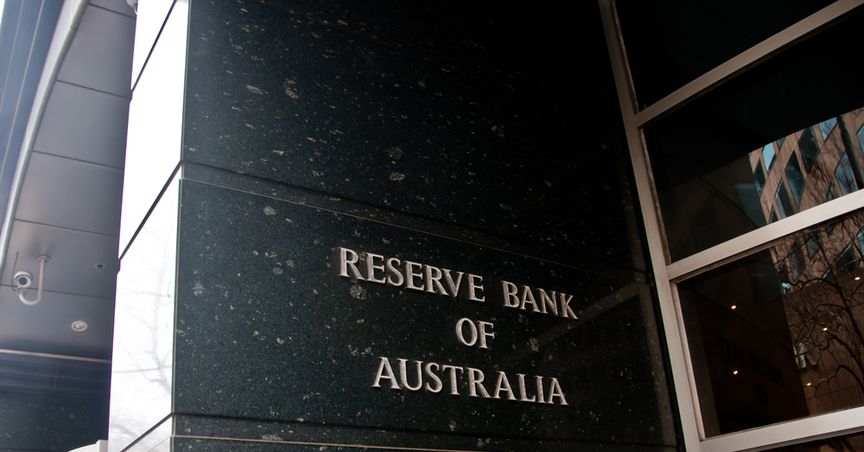
Illustration photo of Reserve Bank of Australia from Kalkine Media
Meeting on Tuesday, the RBA Board slashed the official cash rate from 0.25% to 0.10%, another historic low, as well as unleashing much of its remaining toolkit.
“At its meeting today, the Board decided on a package of further measures to support job creation and the recovery of the Australian economy from the pandemic,” RBA Governor Philip Lowe said.
“The elements of today’s package are as follows. A reduction in the cash rate target to 0.1%, a reduction in the target for the yield on the 3-year Australian Government bond to around 0.1%, a reduction in the interest rate on new drawings under the Term Funding Facility to 0.1%, a reduction in the interest rate on Exchange Settlement balances to zero, and the purchase of $100 billion of government bonds of maturities of around 5 to 10 years over the next six months.”
The last measure sets off a major expansion of quantitative easing (QE) in Australia and much excitement, or nervousness, from Australian economists. It will expand the money supply even further and drive asset prices higher.
“The combination of the RBA’s bond purchases and lower interest rates across the yield curve will assist the recovery by lowering financing costs for borrowers, contributing to a lower exchange rate than otherwise, and supporting asset prices and balance sheets,” Lowe said.
The moves were widely anticipated
Ahead of the announcement, the cash rate cut was widely predicted.
“While the Reserve Bank held off moving in October to allow fiscal policy to take centre stage, we see a slightly better than expected inflation outcome — the RBA calling a positive quarter of growth in Q3 and the opening up of the Victorian economy — as no barrier to a November easing,” Janus Henderson investment strategist Frank Uhlenbruch said.
“Easing is most likely to take the form of a cut in the cash rate, three-year government bond yield target and TFF rate by 15 basis points from 0.25% to 0.10%. Negative rates remain highly unlikely.”
It was a popular view. Around two in three economists had forecast the move, according to a Finder survey of more than 40.
“The RBA’s own forecasts show that it will not achieve its employment and inflation objectives over the next two years and so further easing is required to help address this,” AMP Capital chief economist Shane Oliver said.
Many pointed to a change in messaging from the central bank as a sign of imminent easing. However, it’s unclear exactly how much of an impact the move lower will cause, with some suggesting it would be for political purposes rather than economic ones.
“The RBA are reluctant to move to negative rates but could drop to 0.1% this month as this is already an effective market rate,” ANU public policy professor and former leader of the Liberal Party John Hewson said. “No doubt there is political pressure to do so.”
It may do little to encourage lenders to cut rates for borrowers while putting increased pressure on banks to cut savings rates. Not that they’ve needed an excuse. Canstar analysis shows 50 Australian banks have cut since September by an average of nearly 0.20%. That’s despite no moves from the RBA since March.
Perhaps more significant than the cash rate amongst economist predictions was that there are renewed expectations that the RBA is going to unleash an expanded form of quantitative easing (QE).
“Low inflation figures will tip the RBA’s decision to cut rates and we may also see additional quantitative easing over the coming months if progress towards the RBA’s 2%-3% inflation target is viewed as too slow,” Rebecca Cassells, deputy director of Bankwest Curtin Economics Centre, said.
Read more from the original article: https://www.businessinsider.co...
แก้ไขเมื่อ 03 Nov 2020, 12:28
คำชี้แจง (Disclaimer) : เนื้อหาข้างต้นเป็นเพียงมุมมองของผู้เขียนแต่เพียงผู้เดียว และไม่ได้แสดงหรือสะท้อนถึงจุดยืนอย่างเป็นทางการของ Followme แต่อย่างใด Followme ไม่รับผิดชอบต่อความถูกต้อง ความครบถ้วน หรือความน่าเชื่อถือของข้อมูลที่ปรากฏ และจะไม่รับผิดชอบต่อการดำเนินการใด ๆ ที่เกิดขึ้นจากเนื้อหานั้น เว้นแต่จะมีการระบุไว้เป็นลายลักษณ์อักษรอย่างชัดเจน

เขียนข้อความของคุณตอนนี้