


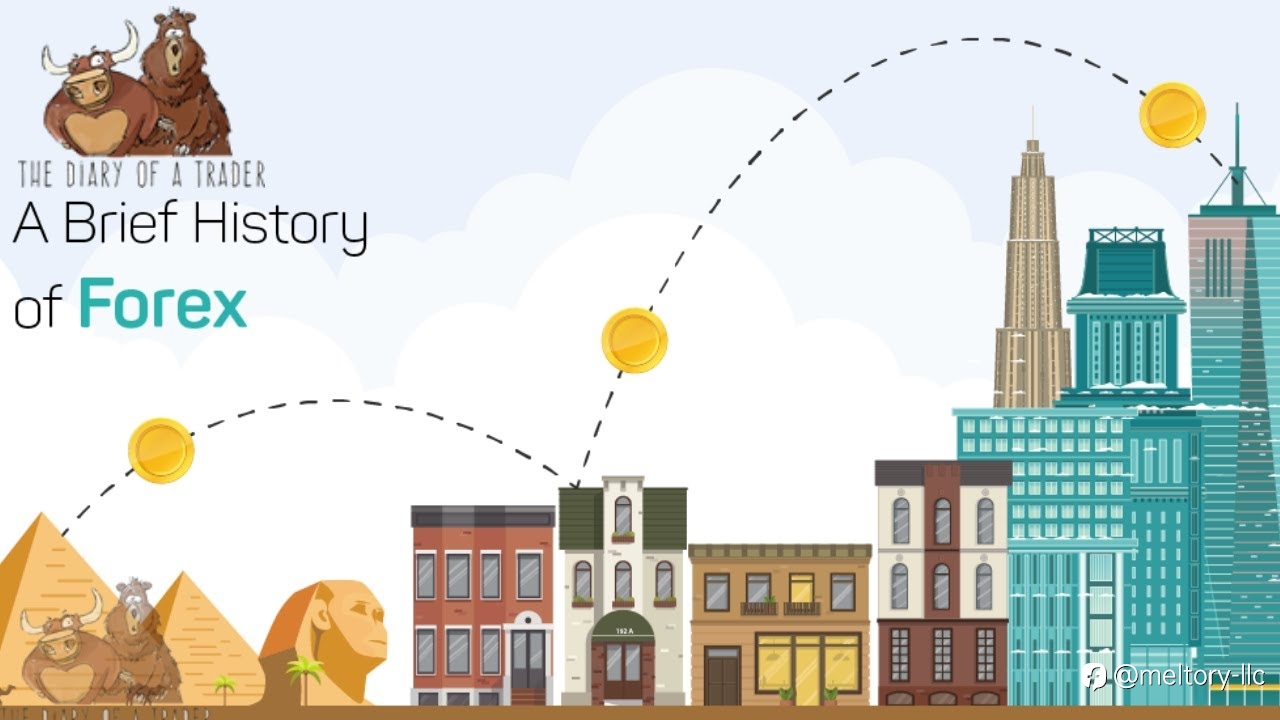
The foreign exchange market, commonly known as forex, is the largest and most liquid financial market in the world. Its history is rich and complex, shaped by various economic, political, and technological developments.
Early Beginnings
The origins of forex trading can be traced back to ancient times when merchants traded goods and currencies to facilitate trade between different regions. The first known form of currency exchange occurred during the Babylonian period, where local currencies were exchanged for goods and services.
The Gold Standard Era
The modern history of forex began with the establishment of the gold standard in the 19th century. Under this system, countries pegged their currencies to a specified amount of gold, which stabilized exchange rates between nations. This system lasted until the early 20th century when the economic turmoil of World War I made it unsustainable.
Bretton Woods Agreement
In 1944, the Bretton Woods Agreement was signed, establishing a new international monetary system. Under this agreement, the U.S. dollar was pegged to gold, and other currencies were pegged to the dollar. This system aimed to provide stability and prevent competitive devaluations. However, it eventually collapsed in 1971 when the U.S. abandoned the gold standard, leading to the era of floating exchange rates.
The Era of Floating Exchange Rates
After the collapse of the Bretton Woods system, major currencies began to float freely against each other. This change marked the beginning of the modern forex market, where exchange rates are determined by supply and demand dynamics.
Technological Advancements
The development of technology in the late 20th and early 21st centuries revolutionized forex trading. The advent of computers and the internet made it possible for traders to access the forex market electronically, leading to increased participation and liquidity. Online trading platforms and advanced analytical tools have further democratized forex trading, making it accessible to individual traders around the world.
The Modern Forex Market
Today, the forex market operates 24 hours a day, five days a week, with a daily trading volume exceeding $6 trillion. It is characterized by a wide range of participants, including banks, financial institutions, corporations, governments, and individual traders. The market's size and liquidity make it an essential component of the global financial system, influencing everything from international trade to monetary policy.
The history of forex reflects the evolution of the global economy, shaped by technological advancements, geopolitical events, and economic policies. Understanding this history provides valuable insights into the functioning and significance of the forex market today.
Connect to a reliable copytrading service Meltory
คำชี้แจง (Disclaimer) : เนื้อหาข้างต้นเป็นเพียงมุมมองของผู้เขียนแต่เพียงผู้เดียว และไม่ได้แสดงหรือสะท้อนถึงจุดยืนอย่างเป็นทางการของ Followme แต่อย่างใด Followme ไม่รับผิดชอบต่อความถูกต้อง ความครบถ้วน หรือความน่าเชื่อถือของข้อมูลที่ปรากฏ และจะไม่รับผิดชอบต่อการดำเนินการใด ๆ ที่เกิดขึ้นจากเนื้อหานั้น เว้นแต่จะมีการระบุไว้เป็นลายลักษณ์อักษรอย่างชัดเจน

