


Many traders use the words Spot, Forward and Futures interchangeably—but they are not the same market.
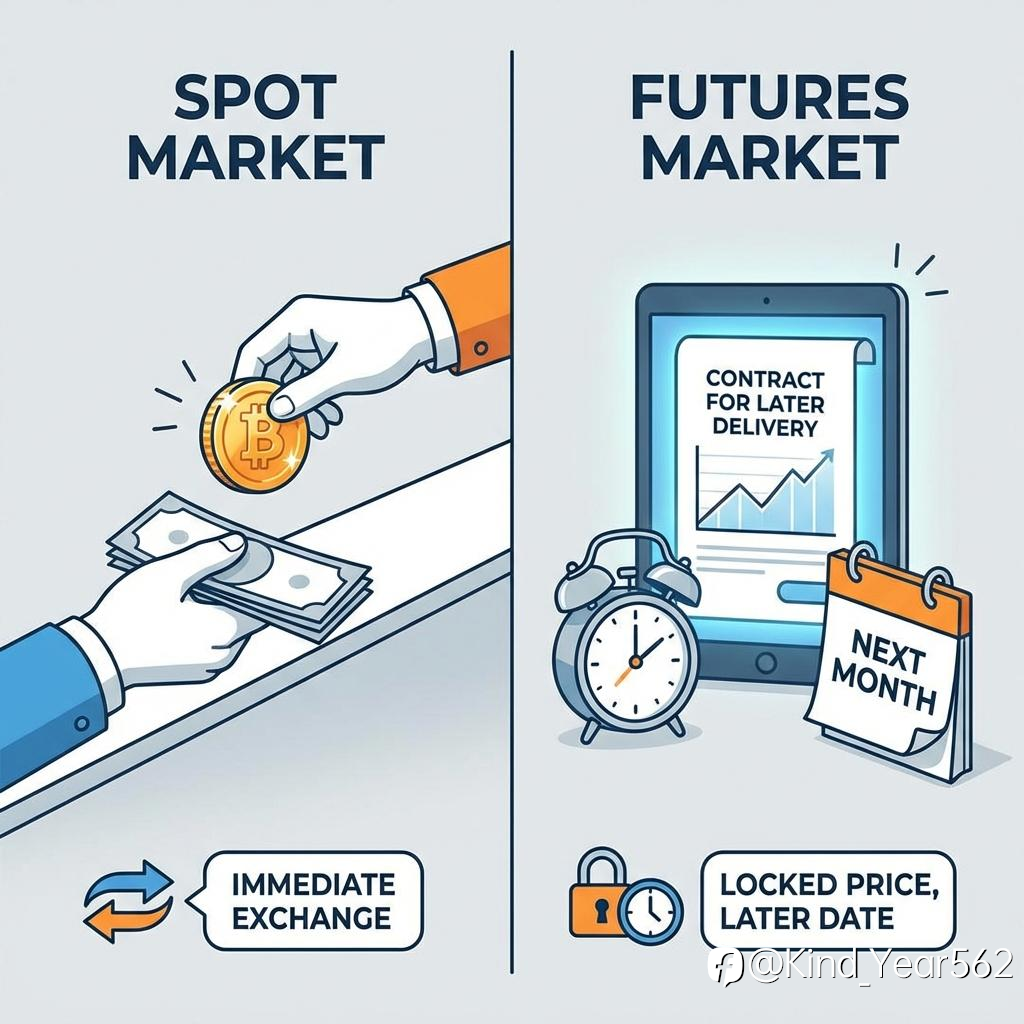
Understanding the difference matters because the instrument you trade affects pricing, settlement, leverage, margin, counterparty risk and expiry.
1. Spot Market — Trading the Current Market
A spot transaction is based on the current market price, with settlement according to the market's normal settlement convention.
For commodities, the CFTC defines the spot market as the market for immediate delivery, while in FX, "spot" generally settles within two business days under market convention.
For retail traders, however, seeing XAU/USD, EUR/USD or another "spot" price on a platform does not automatically mean you own the underlying asset. Depending on the broker and product structure, you may actually be trading a CFD or another derivative referencing the spot price.
Key points:
Based on the current/spot market price
Usually no standard exchange expiry
Product structure depends on the broker
"Spot" does not necessarily mean physical ownership for retail traders
2. Forward Contract — A Private Agreement for Later
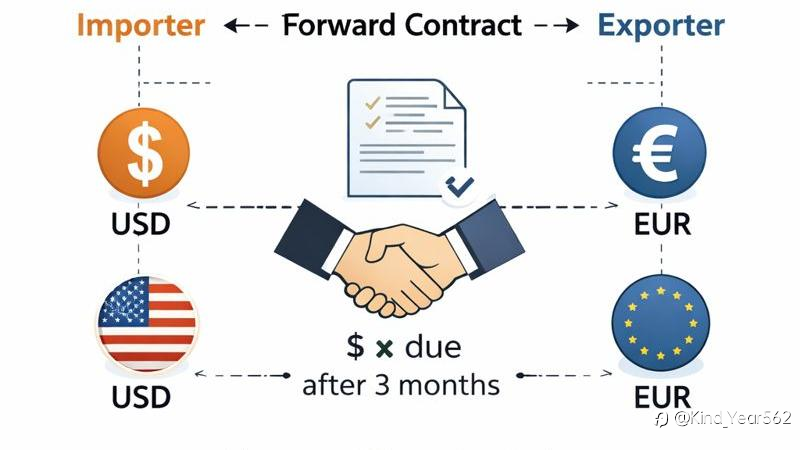
A forward is an agreement between two parties to buy or sell an asset at a predetermined price on a future date.
Unlike exchange-traded futures, forwards are generally privately negotiated OTC contracts and can be customized for the parties involved.
For example:
A company agrees today with a bank to buy a specific amount of USD at a predetermined exchange rate three months from now.
The contract can be tailored around the amount, settlement date and other terms.
Key points:
OTC/private agreement
Customizable
Future settlement
Greater dependence on the counterparty
Commonly used for commercial hedging
3. Futures — Standardized & Exchange-Traded
A futures contract is also an agreement to buy or sell something at a future date, but it is standardized and traded through a futures exchange.
The exchange specifies important terms such as:
Contract size
Expiration/delivery month
Trading specifications
Settlement procedures
Futures are also supported by centralized clearing and typically involve margin requirements and daily marking-to-market.
Importantly, a futures contract is not the same thing as owning the underlying asset. Many futures positions are closed before delivery rather than resulting in physical delivery.
Spot vs Forward vs Futures — Quick Comparison
Feature Spot Forward Futures
Pricing Current market Agreed for future Agreed futures price
Trading venue Cash/OTC markets OTC Exchange
Standardized? Depends on market No Yes
Expiry Generally none like futures Agreed date Contract expiry
Customization Market-specific High Limited
Margin Product-dependent Contract-dependent Generally required
Counterparty structure Depends on product Bilateral Central clearing
Physical delivery Depends on product Possible Possible for some contracts
So, What Are You Actually Trading?
This is where many retail traders get confused.
If your platform shows XAUUSD at the current gold price, you may be trading a spot-referenced derivative, not a COMEX gold futures contract and not physical gold.
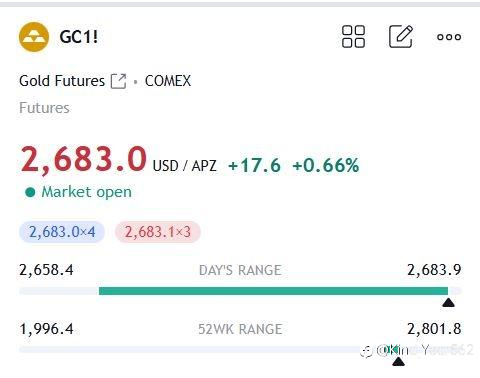
If you trade GC or another exchange-listed gold futures contract, you're trading a standardized futures contract with a specific contract month and exchange rules.
And if a bank or institution agrees privately to exchange an asset at a future date and price, that is a forward.
Why This Difference Matters for Traders#XAU/USD##NewTraders##forextrading#
Two instruments can track the same underlying asset while behaving differently.
For example, the spot gold price and gold futures price can differ because futures pricing incorporates factors such as the time to delivery and carrying costs. The relationship between spot and futures is commonly discussed through concepts such as contango and backwardation.
So before entering a trade, don't just ask:
"What is the price?"
Ask:
"What instrument am I actually trading?"
Final Takeaway
Spot = current market exposure
Forward = customized OTC future agreement
Futures = standardized exchange-traded future contract
Knowing the difference can help you understand why prices differ, where your margin goes, when the contract expires, and what risks you're actually taking.
Educational content only — not financial advice.
คำชี้แจง (Disclaimer) : เนื้อหาข้างต้นเป็นเพียงมุมมองของผู้เขียนแต่เพียงผู้เดียว และไม่ได้แสดงหรือสะท้อนถึงจุดยืนอย่างเป็นทางการของ Followme แต่อย่างใด Followme ไม่รับผิดชอบต่อความถูกต้อง ความครบถ้วน หรือความน่าเชื่อถือของข้อมูลที่ปรากฏ และจะไม่รับผิดชอบต่อการดำเนินการใด ๆ ที่เกิดขึ้นจากเนื้อหานั้น เว้นแต่จะมีการระบุไว้เป็นลายลักษณ์อักษรอย่างชัดเจน

