
Wall Street analysts expect the Treasury to brush against its $41.1 trillion borrowing cap as soon as February, forcing the government to rely on temporary accounting tricks before a potential cash crisis arrives later in 2027.
The US government is less than $800 billion shy of its $41.1 trillion borrowing cap. Additionally, a growing cash balance suggests the reliance on short-term bills to cover deficits and spending.
A Democratic sweep of Congress sets the stage for a protracted showdown with Trump over raising the federal debt limit. Fitch Ratings warned last month that the outcome would increase the likelihood of brinkmanship.
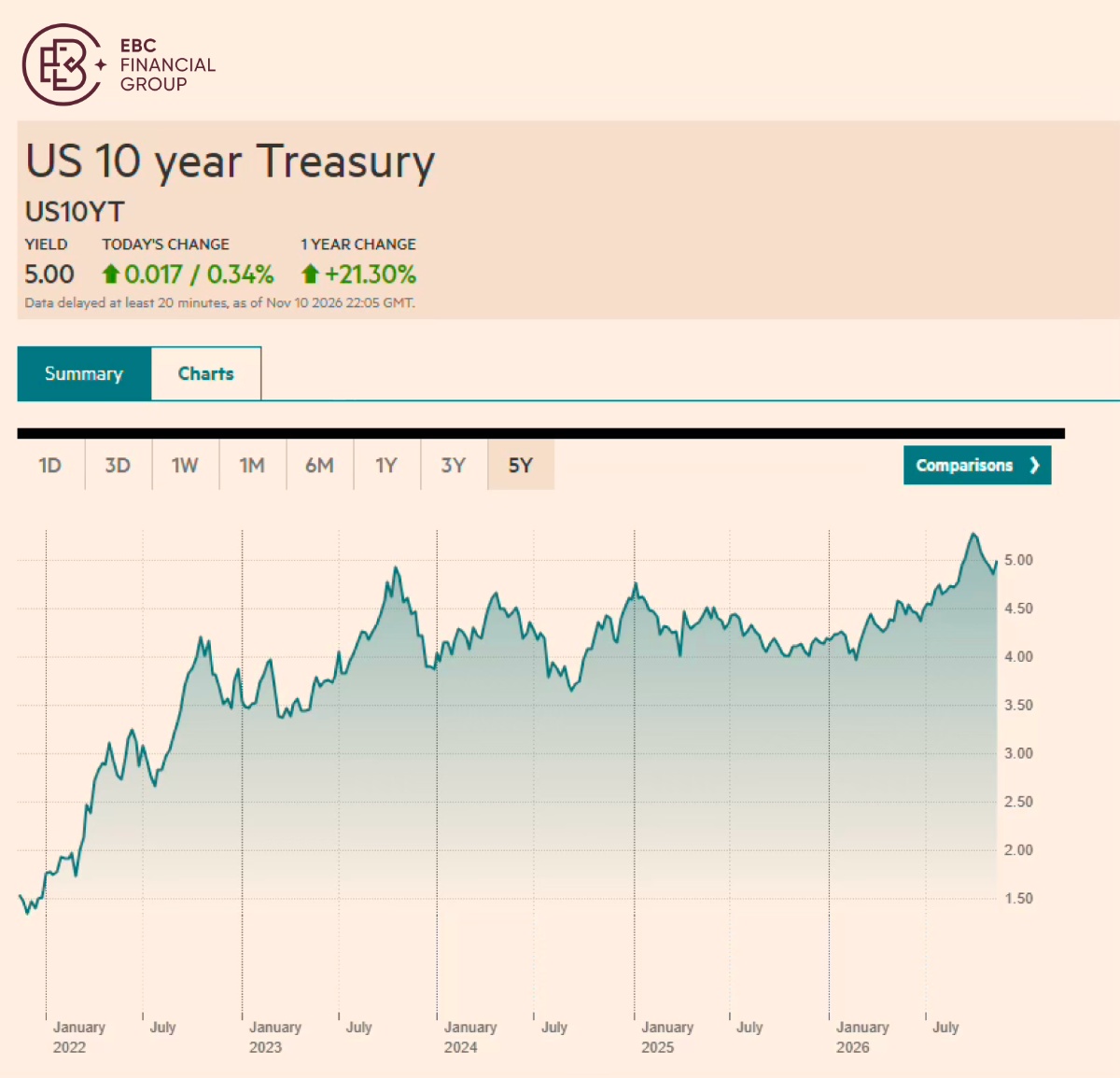
A prolonged debt limit standoff will force the Treasury to depend on short-term borrowing longer than expected, delaying its plans to issue long-term debt later in the year.
A divided government historically creates gridlock rather than true fiscal austerity, but that effectively eliminates the likelihood of major new fiscal expansion or sweeping tax changes.
The Trump administration is also put under pressures to axe tariffs, loose immigration policies and end the war in Iran. The potential disinflationary effects may put a lid on borrowing costs.
The selloff may therefore be slowing, in line with Goldman Sachs strategists' view that the 10-year Treasury yield is projected to stabilise into a trading range of 4.75% to 5.0%.
Donroe Doctrine
Addressing post-midterm concerns, Trump signalled a de-escalation with Tehran, asserting that the military campaign against Iran is largely complete. The speech has pummelled oil prices.
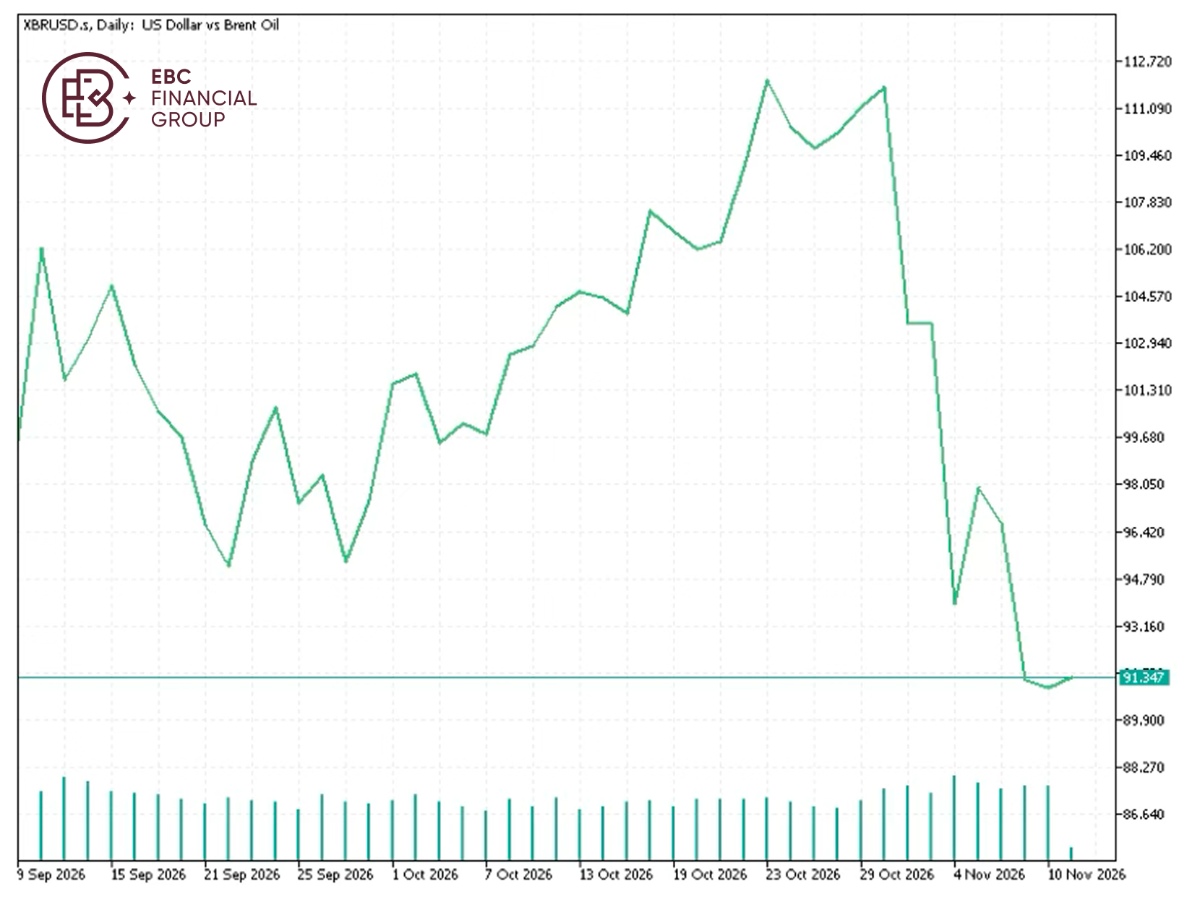
He also reiterated his stance that Iran must never obtain a nuclear weapon, warning Washington remains prepared to launch full-scale military action if conditions shift.
Mohsen Rezaei, Iran's top security official, demanded that the US "surrender" to Tehran's seven conditions to halt the conflict. Whether denuclearisation tops the agenda still leave investors in the dark.
The ongoing war has laid bare US military limits. Months-long intermittent airstrikes have failed to neutralize Iran's ballistic missile capability. The Gulf countries feel no longer secure under the petrodollar system.
The Turkish parliament has ratified a trilateral defence pact with Saudi Arabia and Pakistan. The agreement features a collective defence clause, establishing a mutual security framework among the three nations.
The Mecca Alliance underscores the power shift in the oil-rich region, especially as Trump stressed a pivot to the Americas. He has repeatedly declined the request for strike against Iran-backed Houthis in Yemen.
Dollar debasement is unfolding with the rise of China, enormous federal budget deficits, and the new global trade landscape that prioritises supply chain stability over low-cost sourcing.
Orderly appreciation
Most analysts surveyed by Reuters anticipate gradual measures to curb the yuan's (USDCNH) rise rather than a major policy shift—a stance that risks escalating tensions with trading partners pushing for a stronger currency.
Last week the PBOC moved to increase the amount of foreign currency lenders must hold in reserve, underscoring its growing unease over the yuan's swift rally.
With reserve ratios still 300 bps shy of their 2021 high, the PBOC has room for further action. Goldman Sachs expects the currency to strengthen to 6.4 per dollar over the next 12 months.
China's trade surplus surged past $1 trillion in the first 10 months as a global race to build AI infrastructure buoyed sales of high-tech products. Exports are powering the economy while investment and consumption sag.
Standard Bank estimates that every 1% rise in the yuan's real effective exchange rate cuts average export margins by roughly 30 bps. A sizable share of exporters is already operating on thin margin.
China's PPI jumped 5.7% in October, the fastest pace in over 4 years, compared to still-feeble CPI. Facing the dilemma, policymakers are typically more inclined to ease at the expense of importers.
The yuan's strength could halt in the short run, given the improving outlook of Treasurys and Beijing's push to curb currency appreciation. Despite that, the broader picture remains tilted towards the upside.
EBC Financial Group Disclaimer: This material is for general information purposes only and is not intended as (and should not be considered to be) financial, investment or other advice on which reliance should be placed. No opinion given in the material constitutes a recommendation by EBC Global Financial Collaboration or the author that any particular investment, security, transaction or investment strategy is suitable for any specific person.
คำชี้แจง (Disclaimer) : เนื้อหาข้างต้นเป็นเพียงมุมมองของผู้เขียนแต่เพียงผู้เดียว และไม่ได้แสดงหรือสะท้อนถึงจุดยืนอย่างเป็นทางการของ Followme แต่อย่างใด Followme ไม่รับผิดชอบต่อความถูกต้อง ความครบถ้วน หรือความน่าเชื่อถือของข้อมูลที่ปรากฏ และจะไม่รับผิดชอบต่อการดำเนินการใด ๆ ที่เกิดขึ้นจากเนื้อหานั้น เว้นแต่จะมีการระบุไว้เป็นลายลักษณ์อักษรอย่างชัดเจน